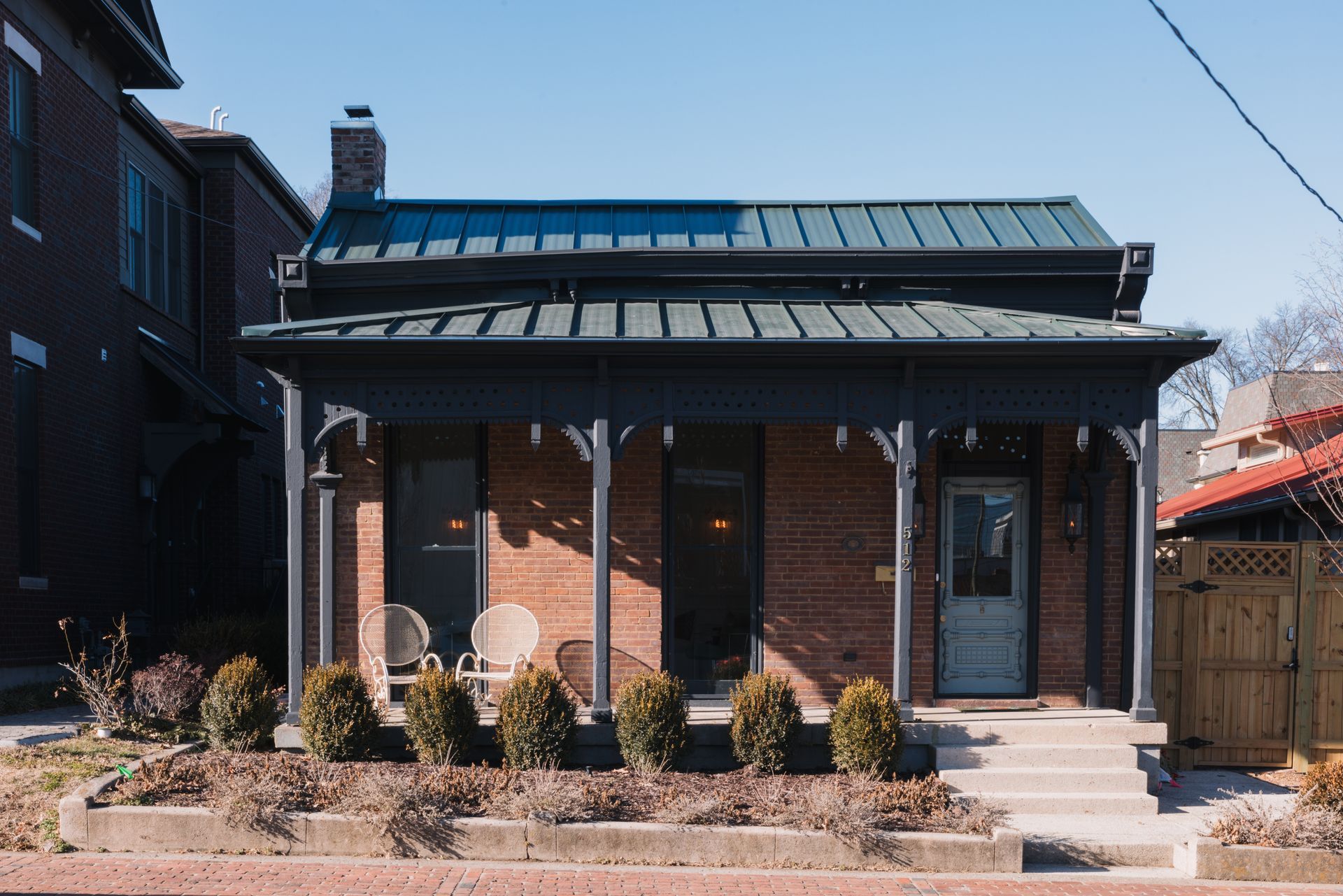
There is a moment on almost every historic project where someone suggests it would be quicker to tear the porch off and rebuild it. It would be quicker. It would also remove the only thing on the street that could not be built again.
The detail is the building
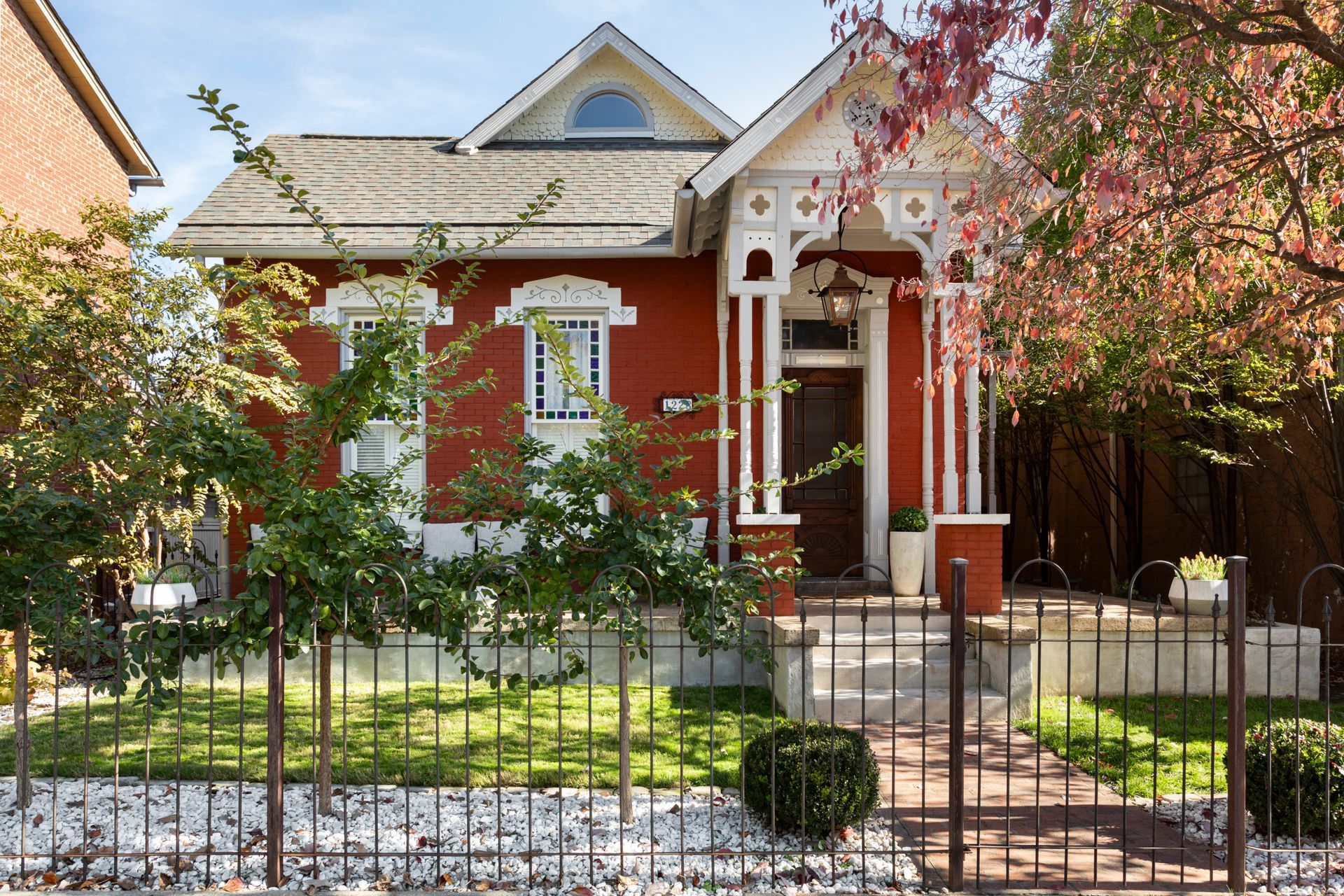
What makes an older Nashville building worth keeping is rarely the floor plan. It is the trim profiles, the wavy glass, the pierced frieze on the porch, the way the brick was laid by someone who was paid by the day rather than by the square foot. Those details are the reason the building reads as old rather than merely dated, and they are almost always the first casualty of a fast renovation.
Craftsmanship is a scheduling problem
Reproducing a trim profile that has not been milled since the 1920s takes time. So does repairing a sash rather than replacing the window, or repointing brick with a mortar soft enough not to destroy it. None of this work is mysterious, but all of it is slower than the modern alternative, and it needs trades who have done it before.
That is why we deal with it in estimating rather than on site. If a house needs that kind of work, the schedule and the budget have to say so at the start.
Care is mostly restraint
The hardest part of restoration is deciding what not to touch. Systems, structure and safety have to come up to standard, and they can be brought up invisibly. The surfaces that give the building its character can usually stay. Knowing which is which is the whole job.