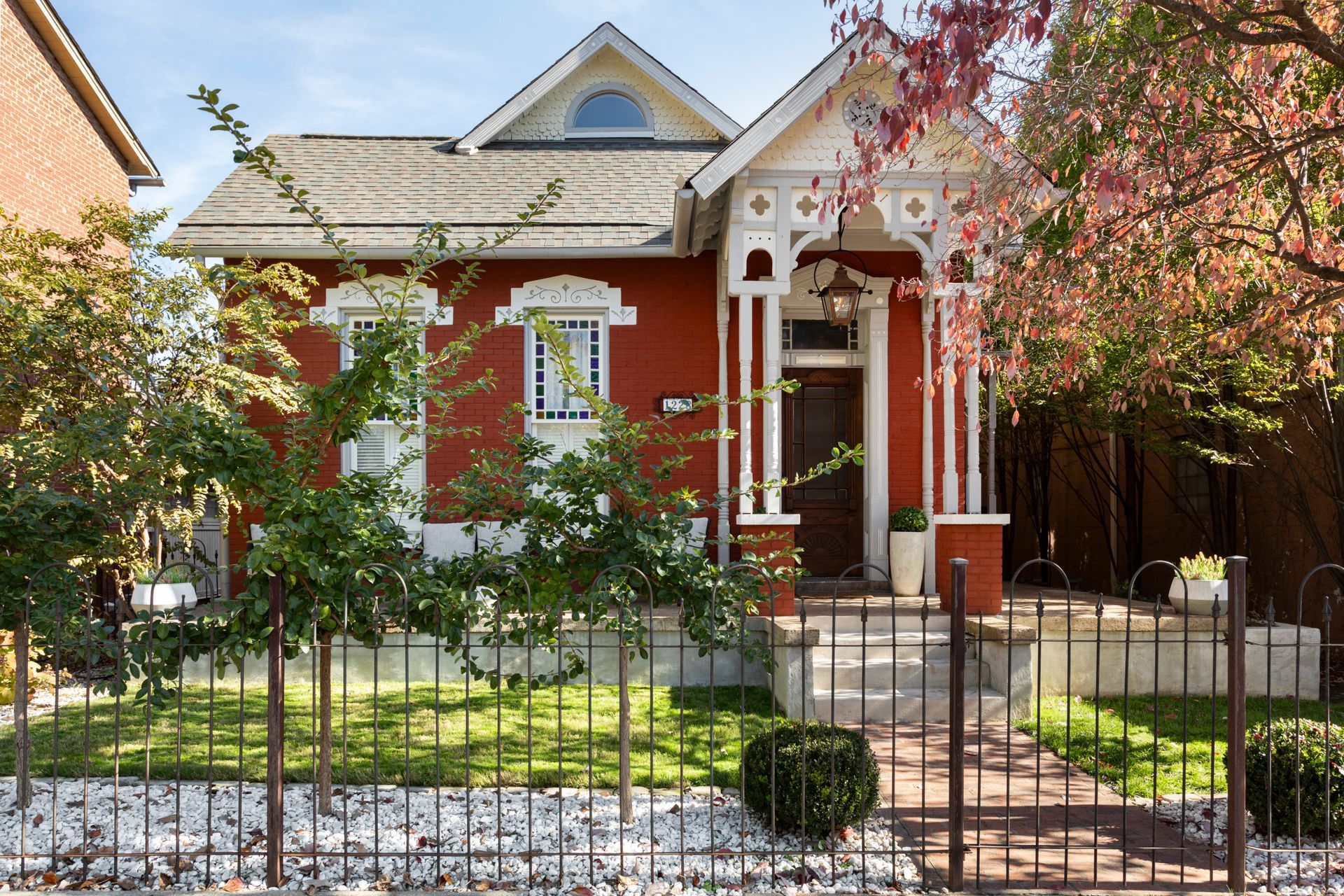
Clients often arrive describing a renovation when what they want is a restoration, or asking for a restoration when adaptive reuse is the honest answer. The distinction matters, because each one implies a different budget, a different programme and a different set of trades.
Renovation
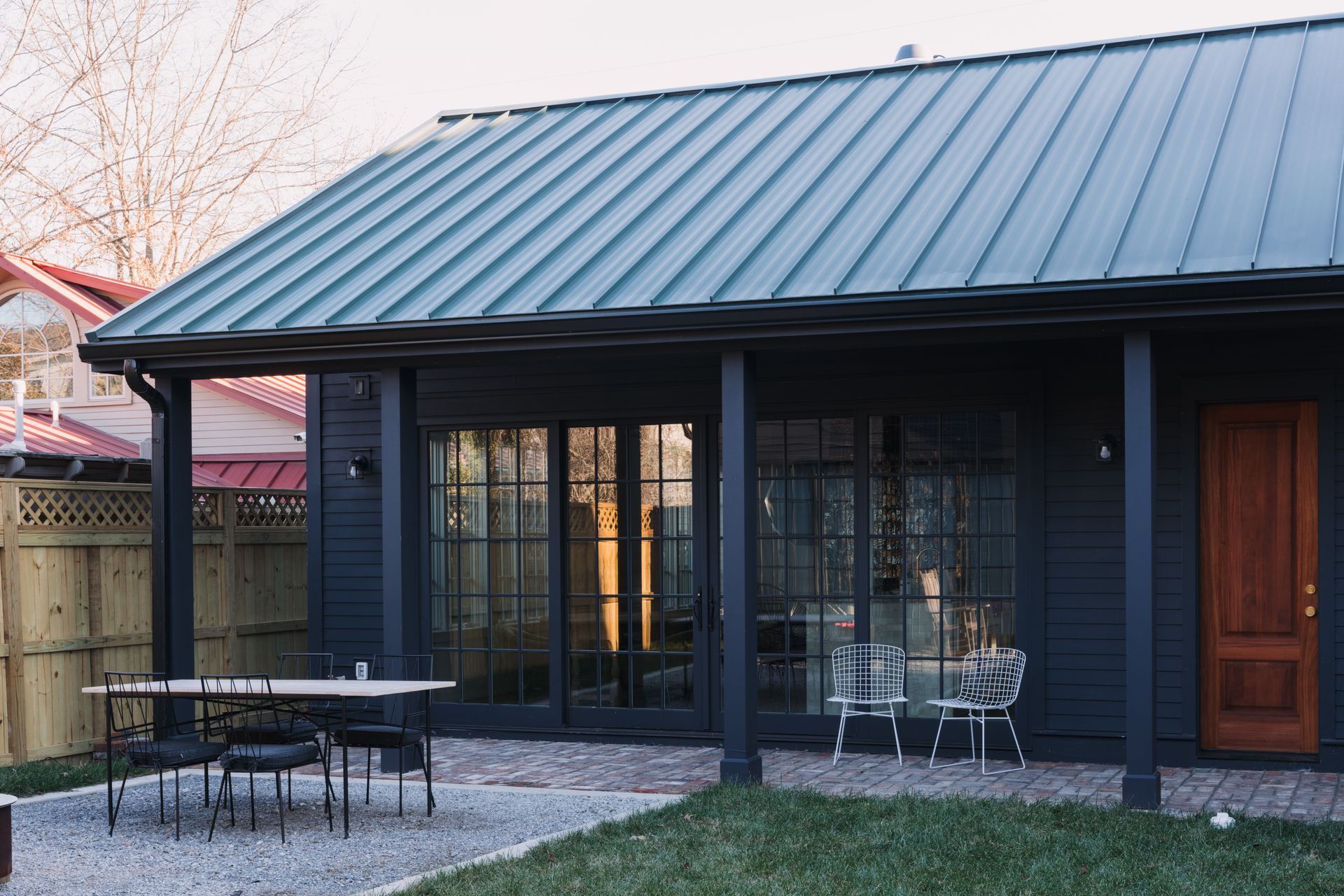
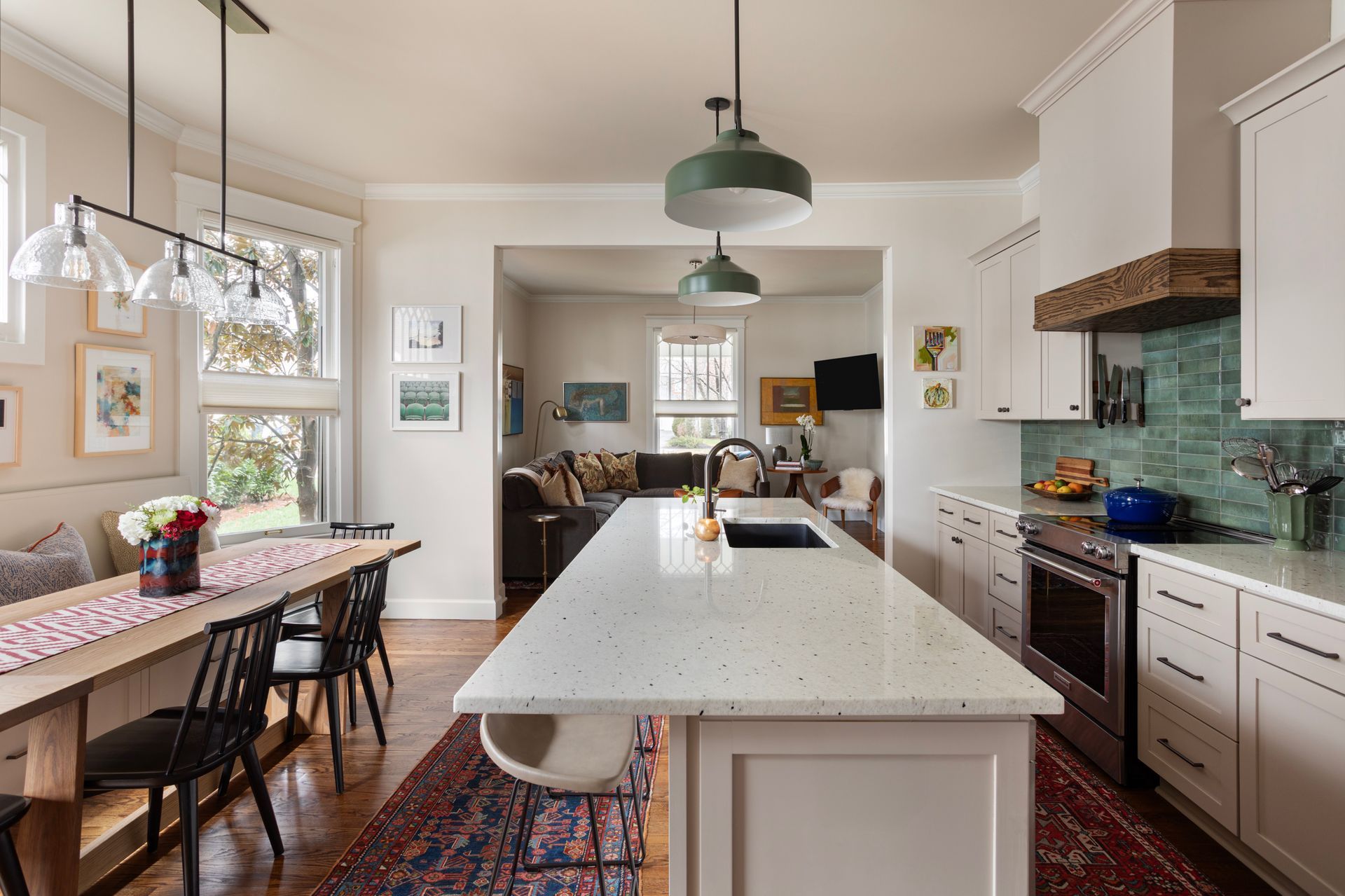
Renovation updates a building for how it is used now. Layouts change, systems are replaced, finishes are brought up to date. The building keeps its identity but stops being inconvenient. Most of what we do on the residential side sits here.
Restoration
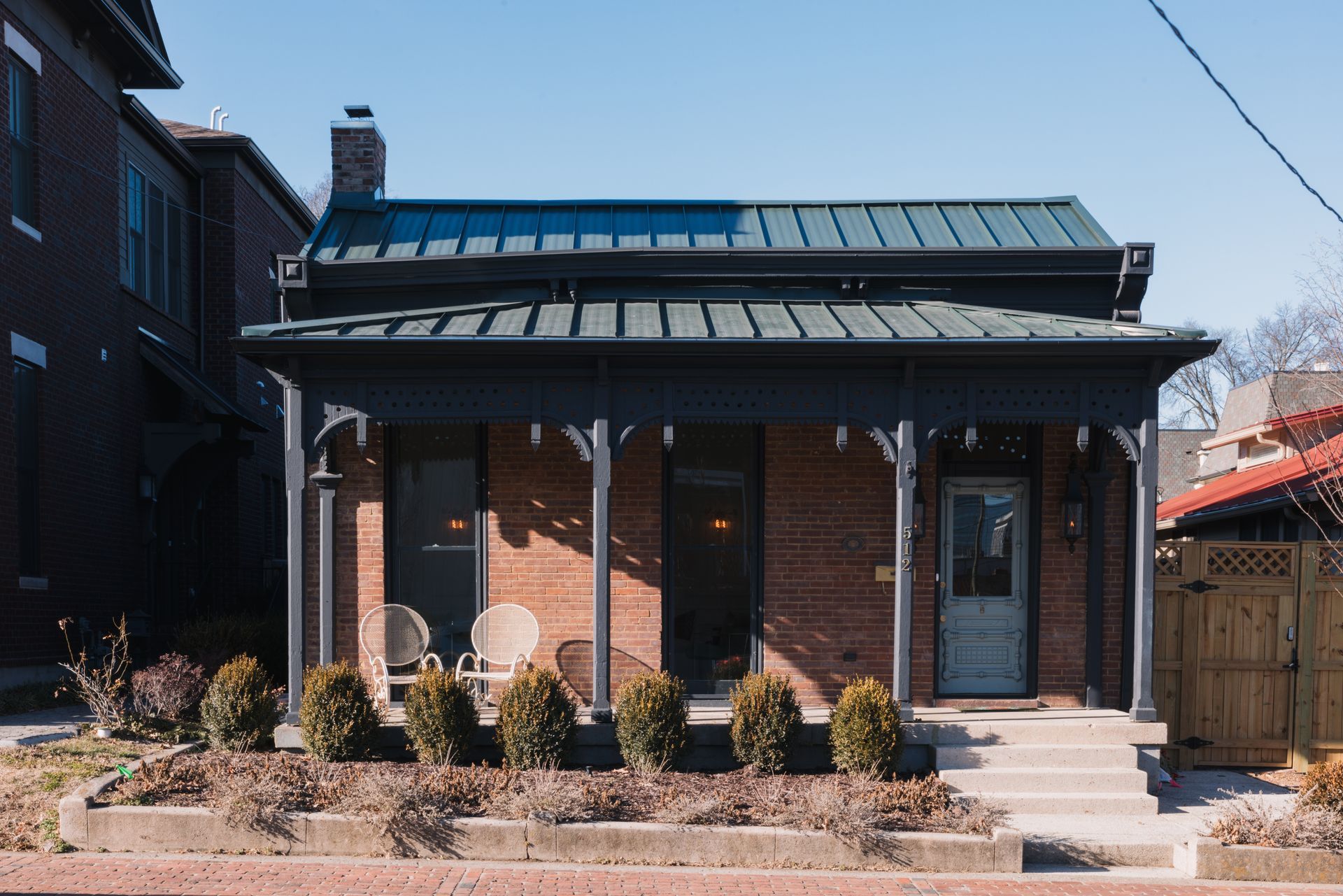
Restoration returns a building toward what it was, keeping and repairing original fabric rather than replacing it. It is slower, more specialised and more expensive per square foot, and for a building of genuine character it is usually worth it.
Adaptive reuse
Adaptive reuse changes what a building is for. A warehouse becomes a restaurant, a house becomes a studio, a shop becomes a clinic. The structure stays and almost everything else is reconsidered, which means solving ventilation, accessibility, acoustics and egress inside a shell designed for something else entirely.
Why improving an existing building usually wins
The greenest building is generally the one already standing. Beyond that, older buildings tend to occupy locations that are no longer available, at proportions that are no longer built. Where an existing building can be made to work, it is often the better answer on cost, on character and on time.